
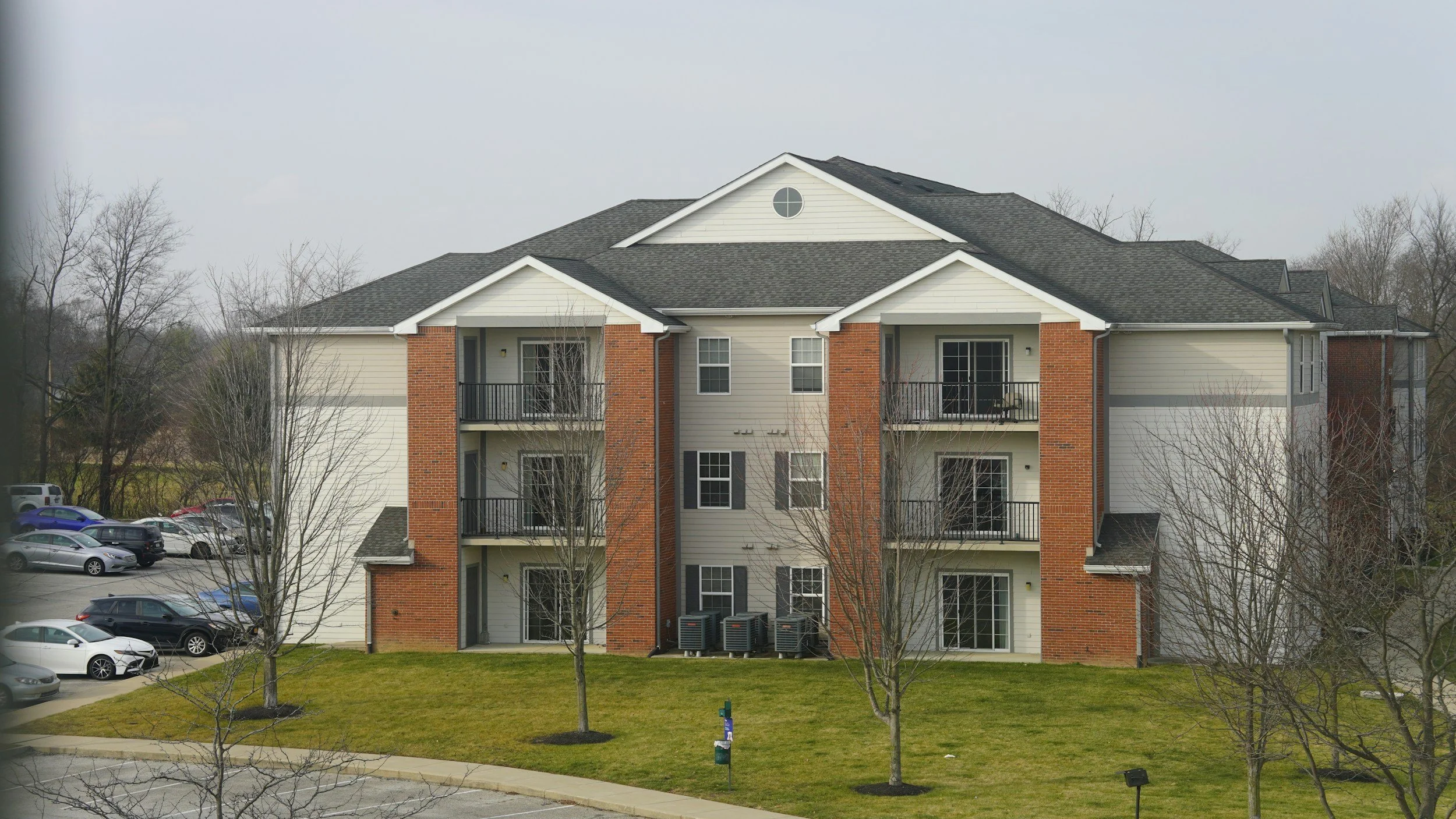
How does FARM127 work?
We provide housing and other services to 18-22 year olds that have aged out of foster care. We don’t have a farm yet, but we do have a basic process for providing for needs.
Our current model
FARM127 provides housing support, mentorship, life skills, advocacy, practical help, partner referrals, and Christ-centered community for young adults aging out of foster care in the greater Charlotte area.
We do not have a farm yet. Today, FARM127 supports young adults through a decentralized model, which means support happens across apartments, churches, partner organizations, and community spaces instead of one shared residential farm. This current model helps meet real needs now while we work toward the future FARM127 farm community.
Why current work still matters ✅
The current model helps meet real needs now. Housing stability, relationships, and practical support can give young adults the breathing room they need to take the next step. Donations to FARM127 will continue to be used to provide these services to young adults.
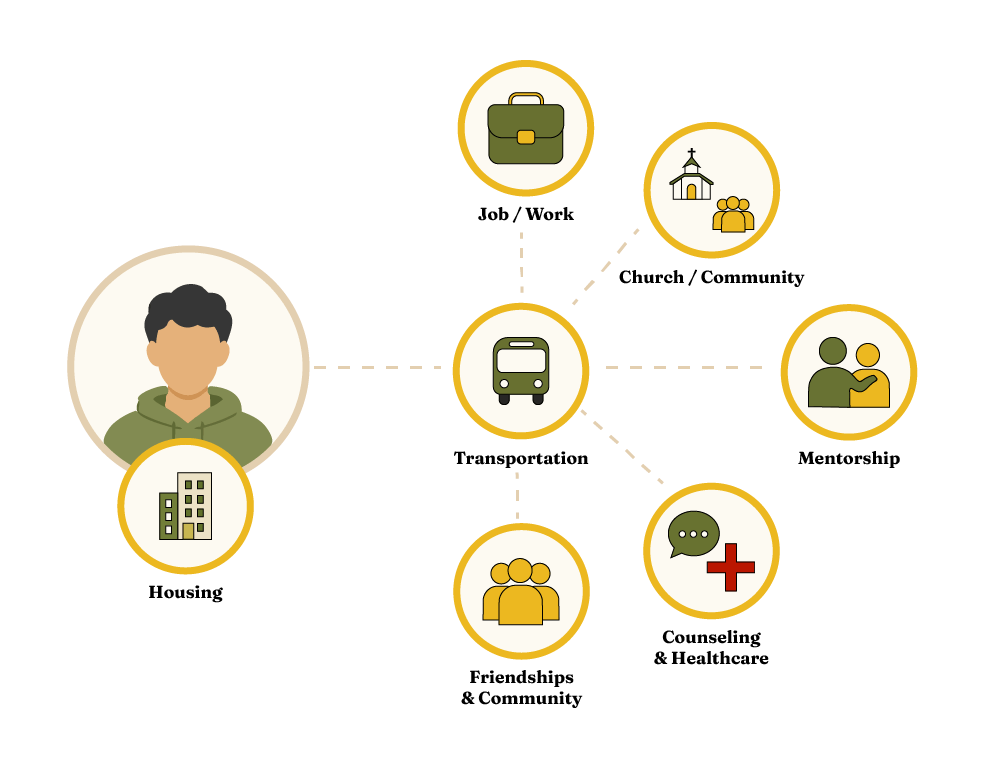
Current Model: Young adults live throughout the community and connect to support through separate people, places, and services. This offers flexibility, privacy, and independence, but requires more transportation, scheduling, coordination, and effort to maintain consistent relationships and community.
What the future farm adds
Today’s support matters. Stable housing, trusted relationships, and practical help can give a young adult the breathing room needed to take the next step.
But FARM127’s long-term vision is a shared Christ-centered farm community near Charlotte where young adults aging out of foster care can experience daily rhythms, safe housing, mentorship, discipleship, shared meals, work, responsibility, and belonging over time.
A farm community can provide what scattered support often cannot:
A safe place to live
Daily community
Built-in accountability
Shared meals
Healthy routines
Consistent adult presence
Mentorship and Biblical discipleship
Life skills practice
Work, creation, and responsibility
A deeper sense of belonging
This is where you come in. If you’re reading this and you want to help us build a farm for these young adults, please consider donating to our capital campaign to build this resource to change generations.
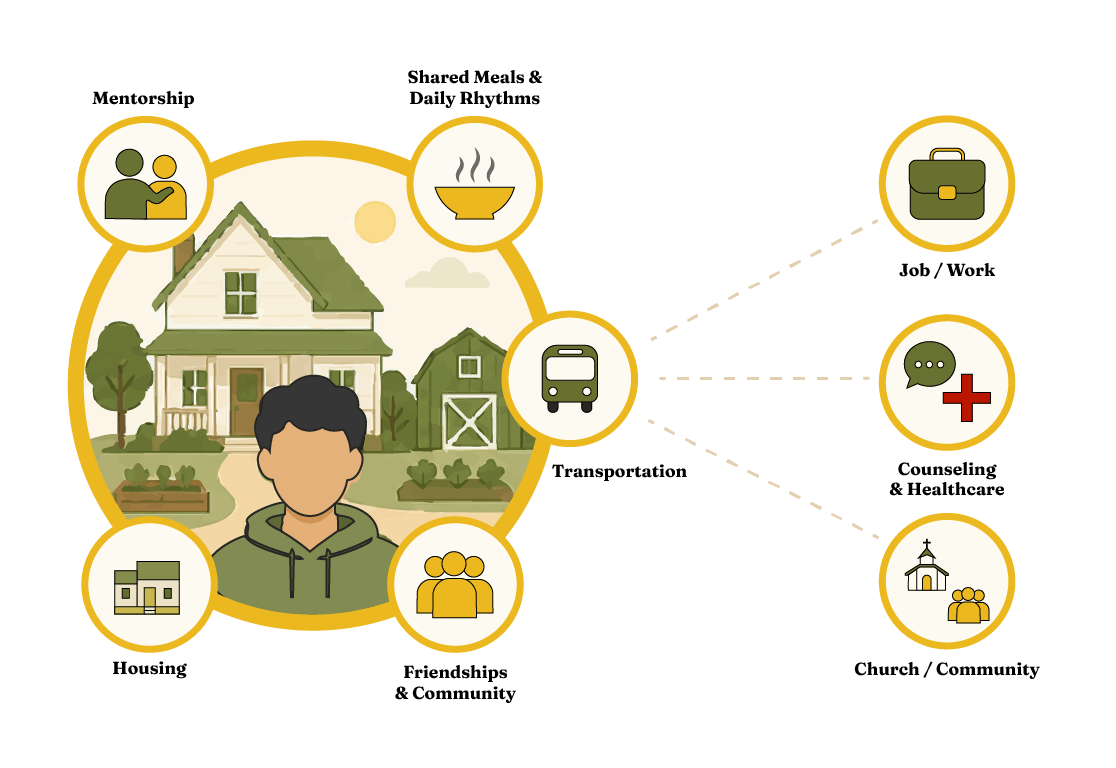
Centralized Model: Housing, meals, mentorship, transportation, and community are built around one shared place. This makes support easier to coordinate, lowers duplicated costs, and creates consistent rhythms where relationships and belonging can grow naturally. Young adults still maintain privacy, personal space, and agency in how they participate.